The Interview was created for Taneční zóna / Dance Zone magazine, where the Czech version is published.
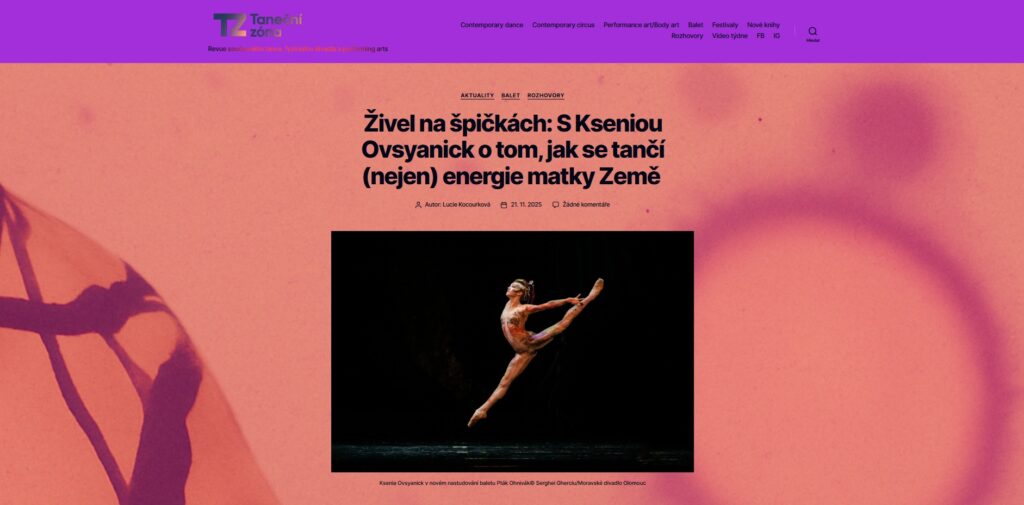
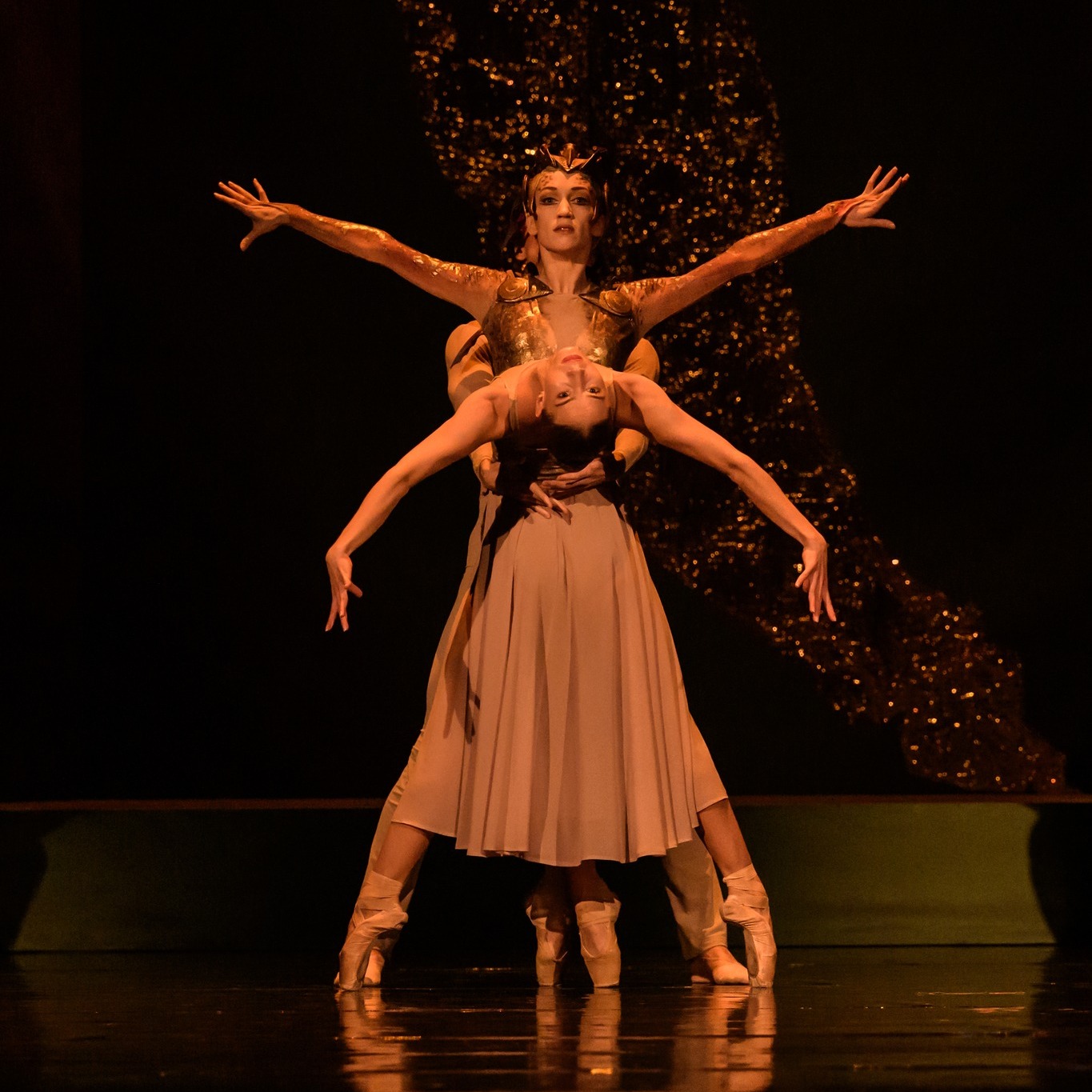
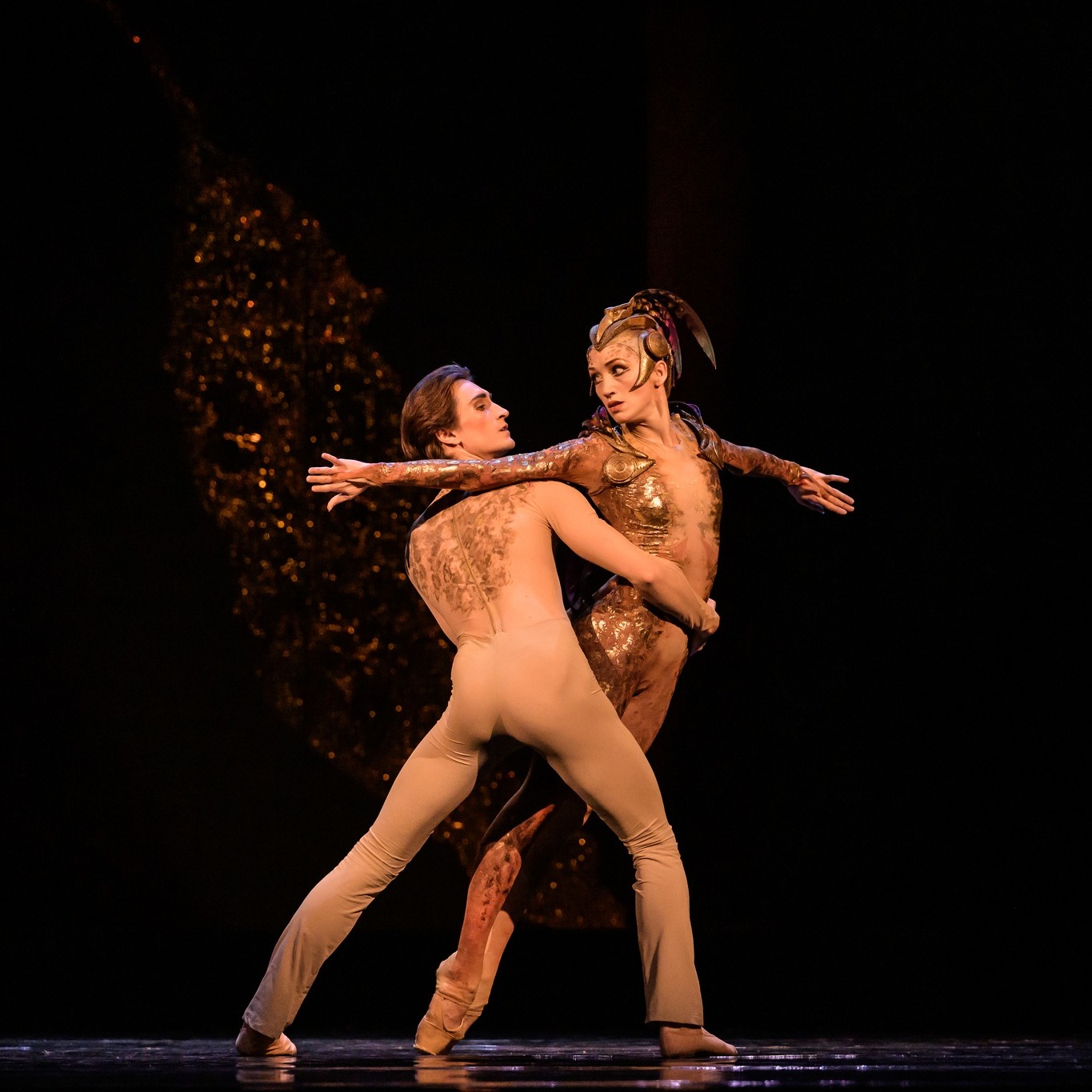
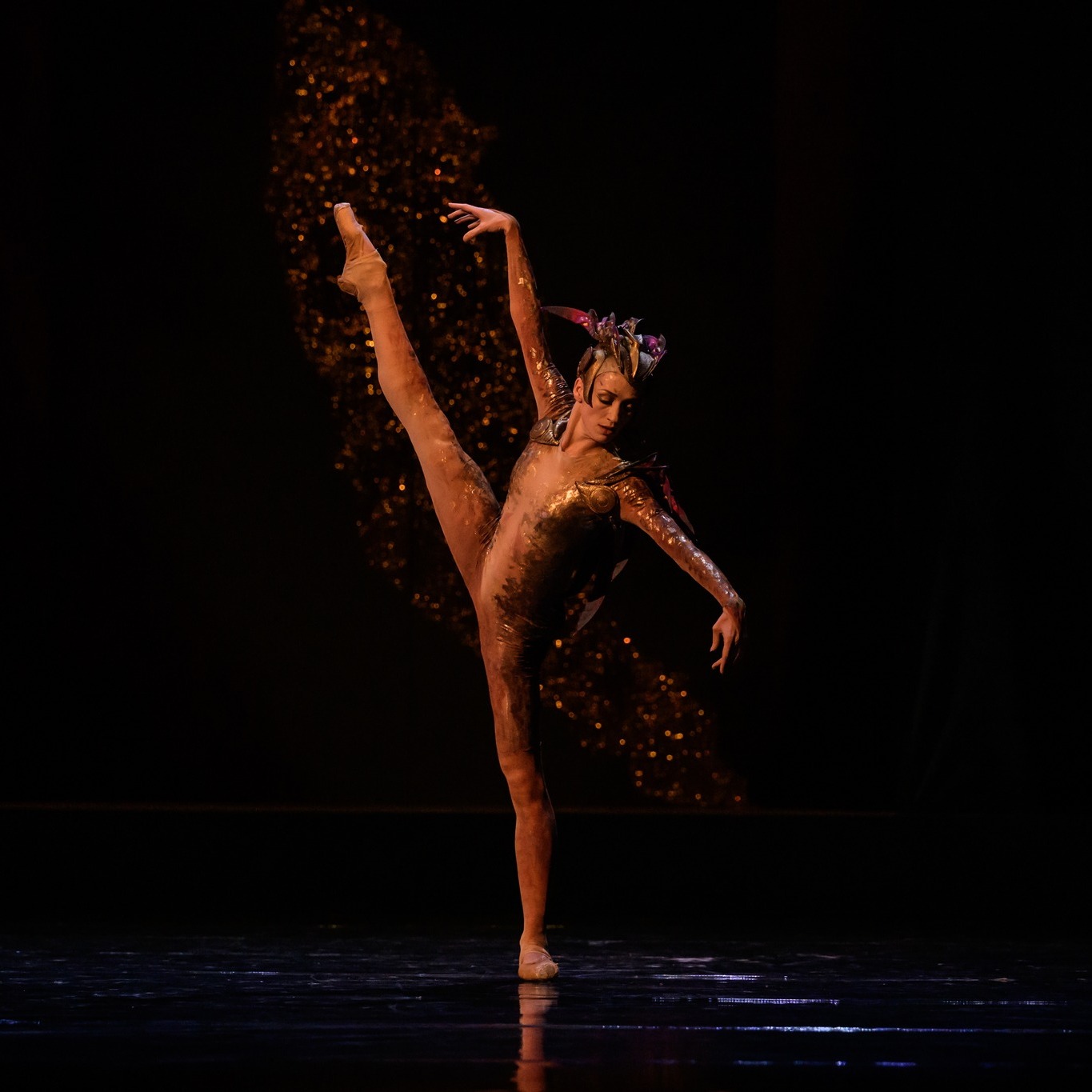
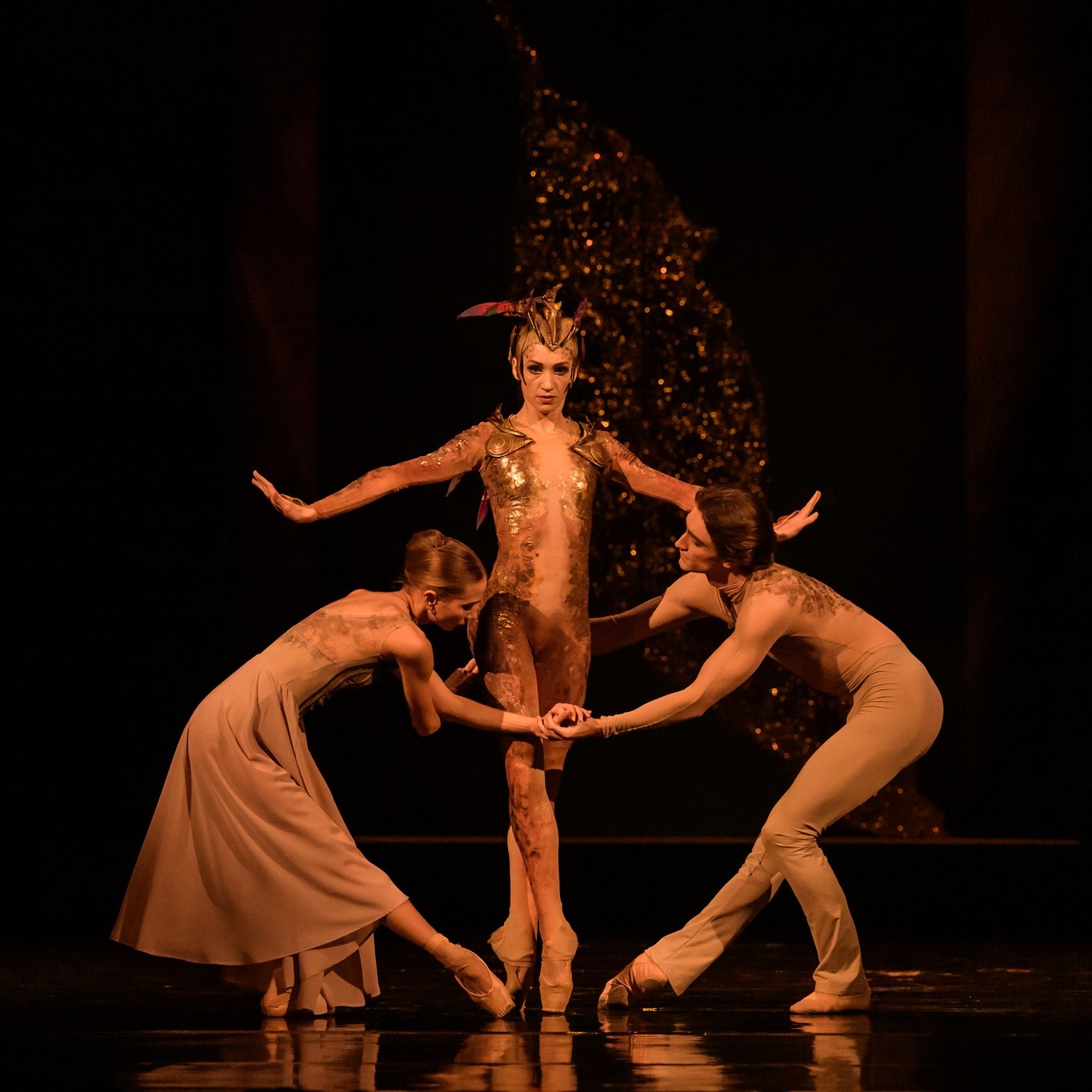
The Moravian Theatre in Olomouc premiered a ballet evening featuring The Firebird and The Rite of Spring, both choreographed by British creator George Williamson. The Rite of Spring was created as a new work for the ensemble, while The Firebird is a choreography that he revived in a new version, originally created in 2012 for the English National Ballet. This neoclassical piece, which does not work with fairy-tale motifs but with symbols, was his first major work at the time. It was the first major piece he created on commission. He created the role for Ksenia Ovsyanick, for whom it was also her first major opportunity, but she immediately won the British critics‘ top prize, the National Dance Award. It is an unintended coincidence that the composition itself was also Igor Stravinsky’s first globally successful work. Ksenia Ovsyanick worked as a prima ballerina in Britain and Germany, and since last year she has been spending more and more time in the Czech Republic with her husband, Czech native Zdenek Konvalina. Just before the premiere, we met and continued the conversation we had several years ago when she was still dancing in Berlin. So now we talked not only about the choreography of The Firebird, but also about her current work. Being a freelance ballerina is no easy feat. Or is it?
I see that you are rehearsing both with the choreographer and also by yourself with the soloists. I wonder how much you were involved in the creative process 13 years ago?
Since the role of Firebird was created on me, I was there for all the rehearsals, so I know everything about George’s intentions and all the parts of the piece. Knowing there is limited time and another new creation in process right now, The Rite of Spring, I can work with the characters to make sure that the story comes through as much as possible. I was not involved in choreography, but I’ve worked with George a lot and I understand his style and his way of thinking, so I can help a little bit with technical side of things.
What does the story that George put into the ballet mean to you personally?
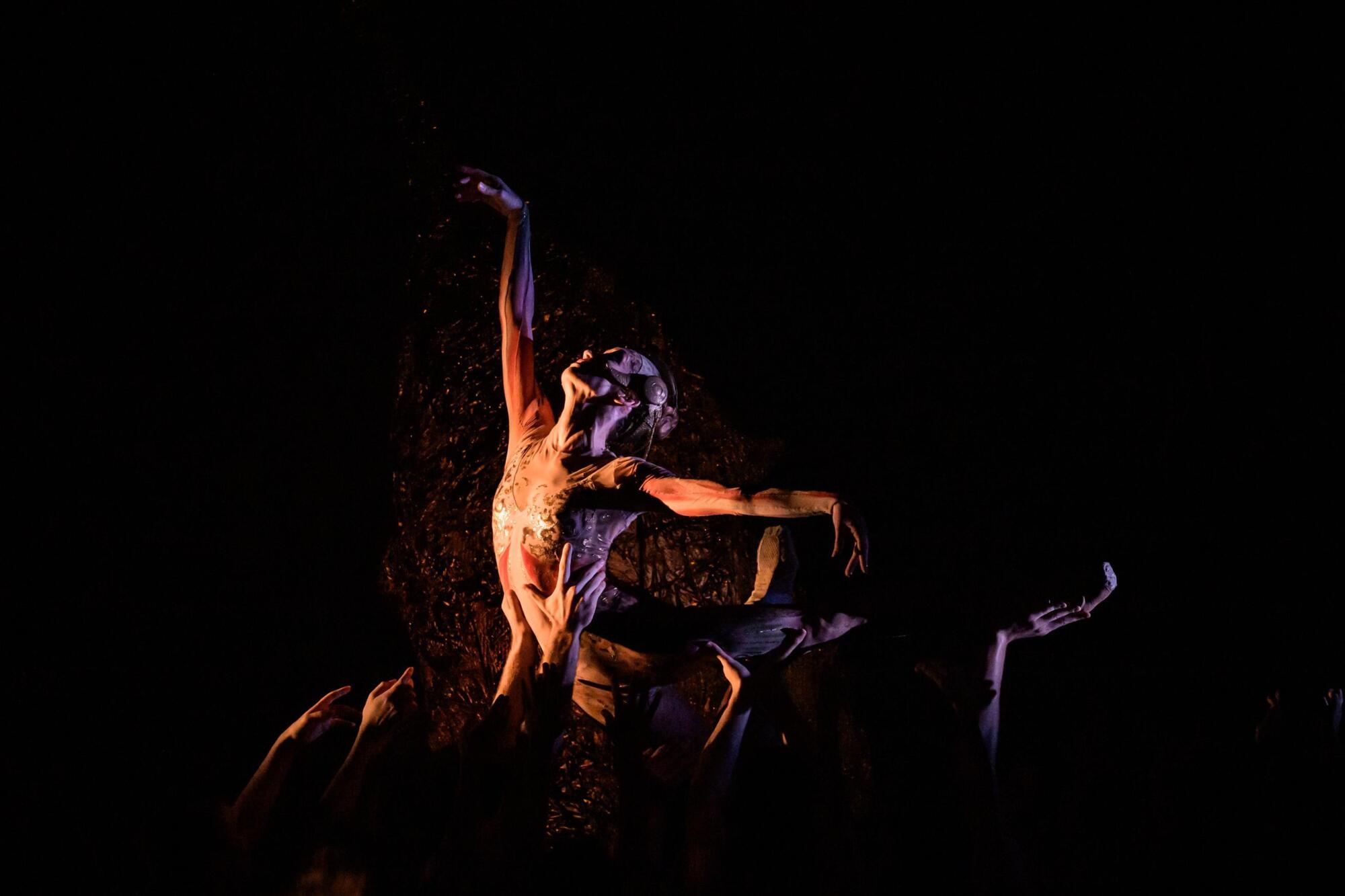
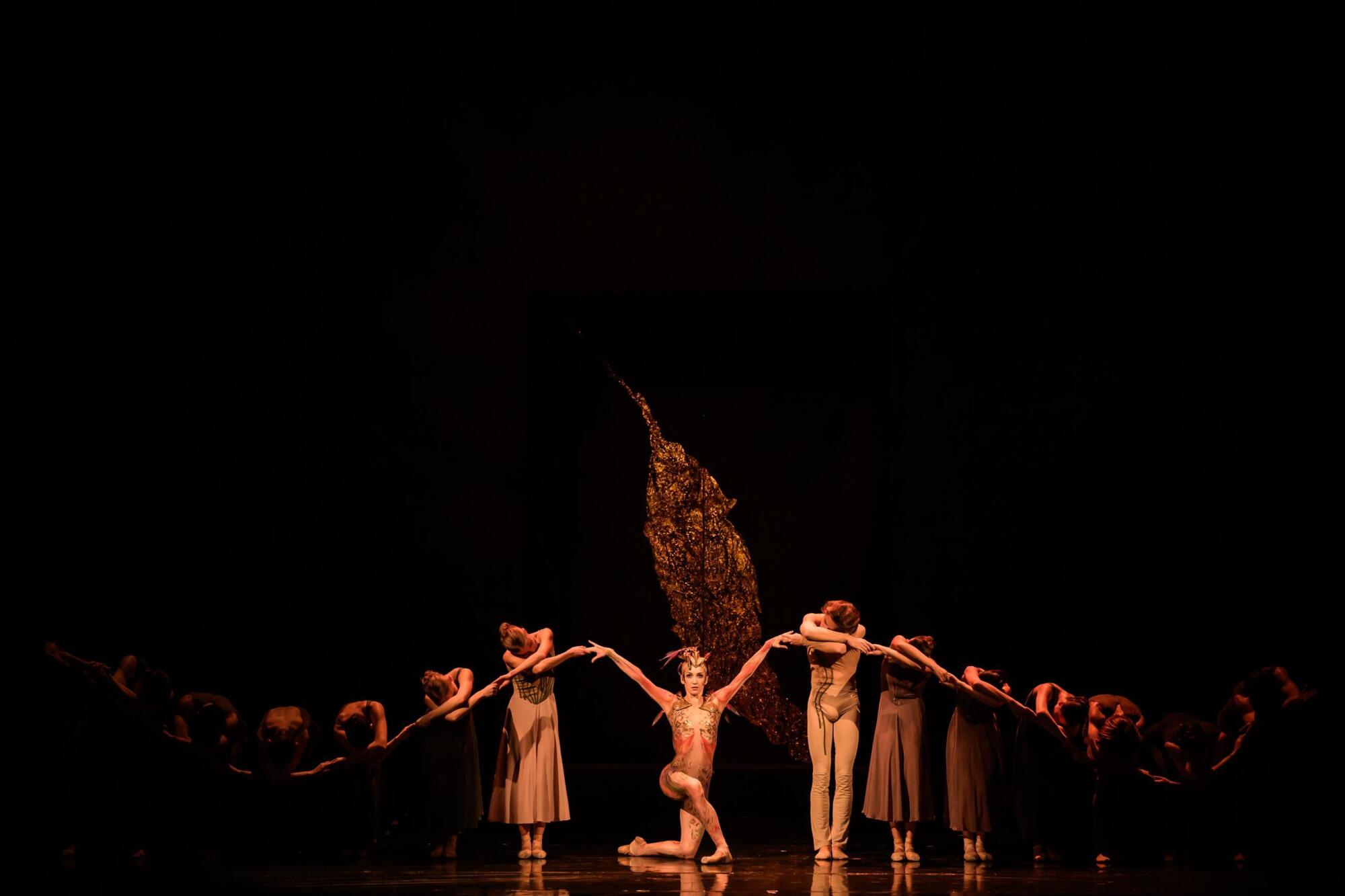
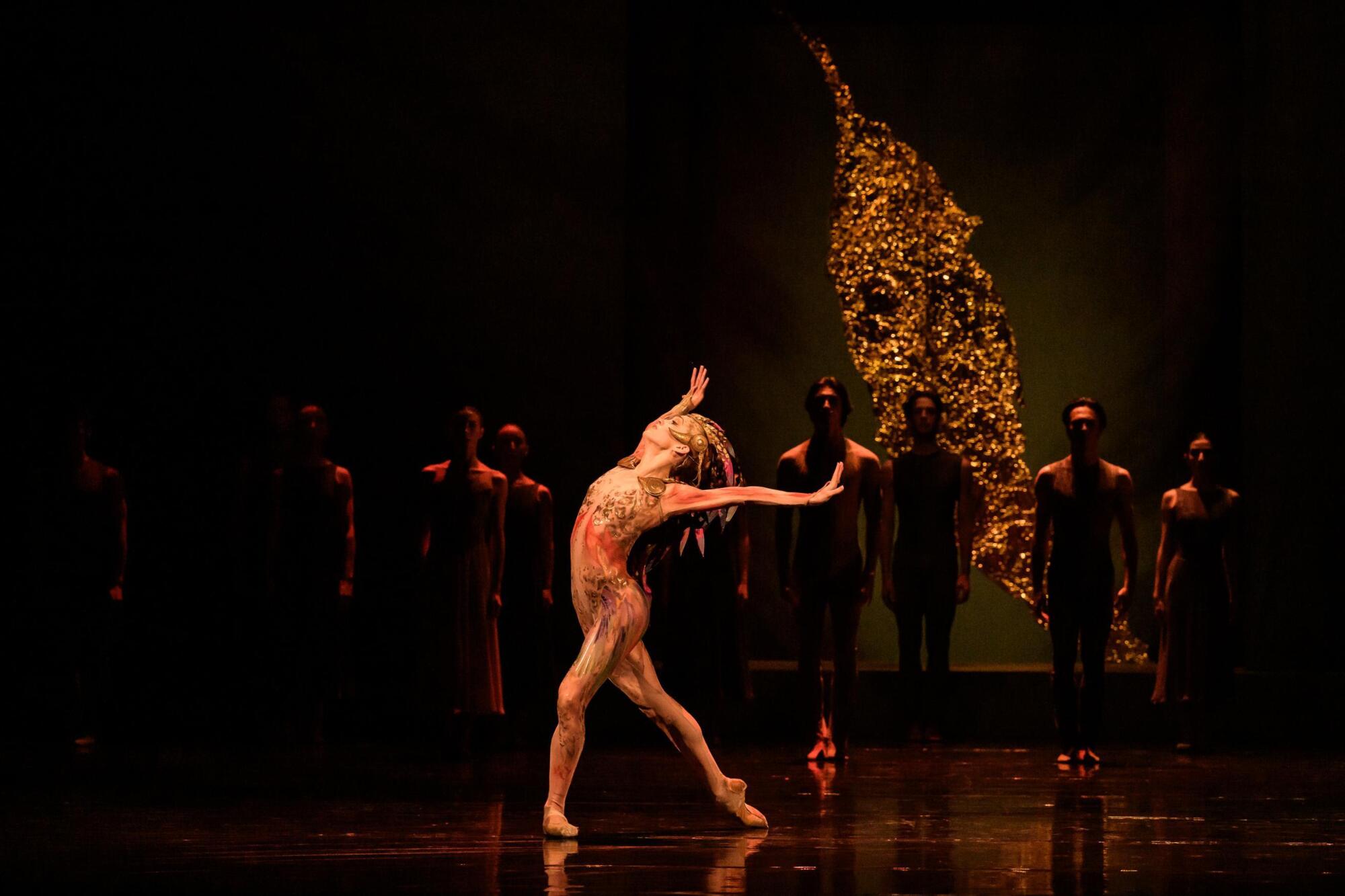
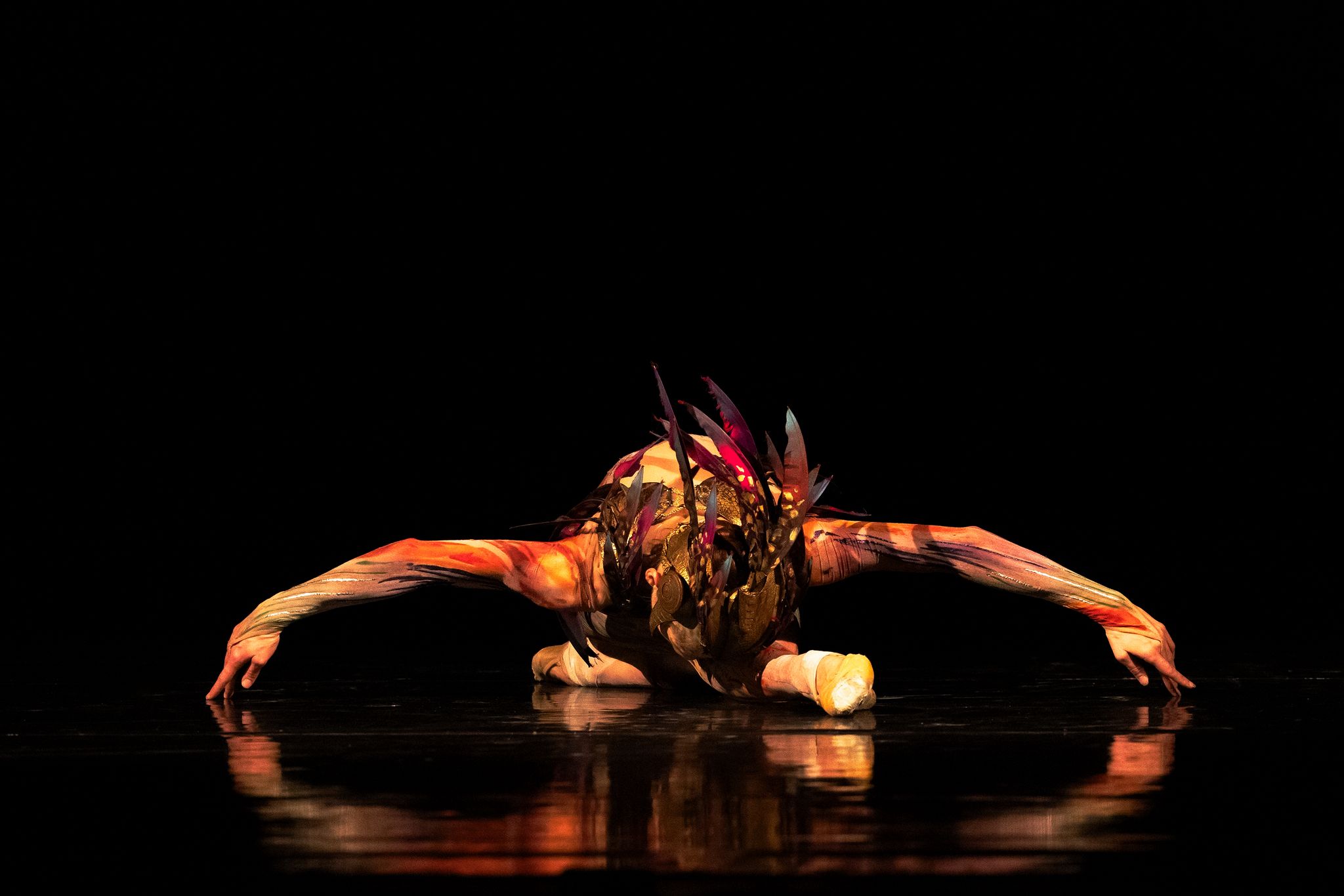
To me, The Firebird here represents nature, all the goodness and the power the Earth has to offer us. And how it gets abused by human greed. It shows human nature, which may not be fundamentally bad, but even the best intentions sometimes don’t lead to the right decisions. The Firebird also feels like a being above human flaws — a symbol of true power. She doesn’t succumb to revenge. Instead, she just forces humanity to confront the consequences of its own actions, by amplifying everyone’s emotions: “If you want to destroy everything around you, then – there your go – lets destroy everything including ourselves.” It also builds on the fact that Firebird is a phoenix, a mythical figure, that must burn in order to rise from the ashes.
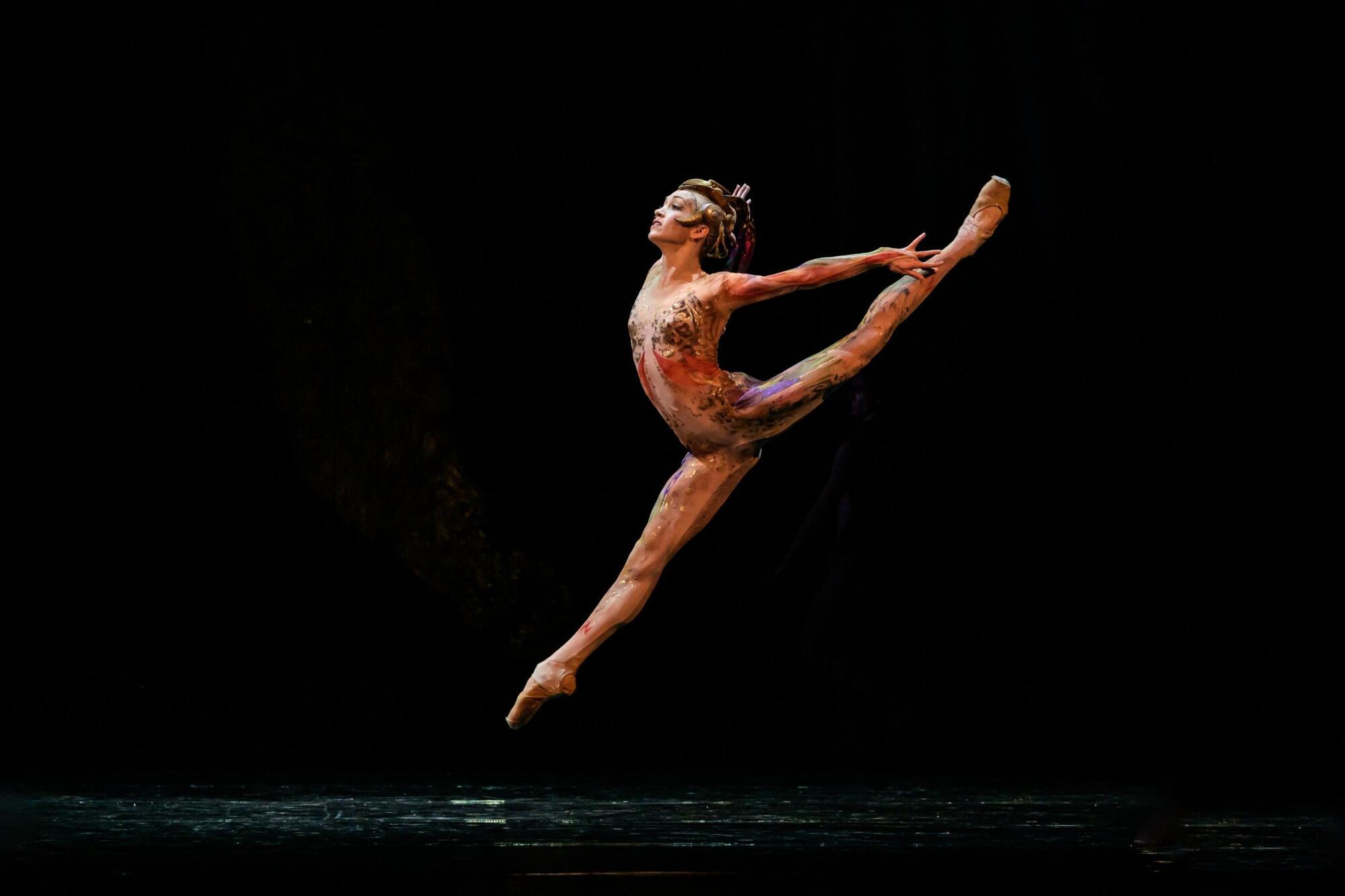
By the end of the piece, humans are actually giving the resources back to her.
I like that it has a message of hope. It gives hope of regeneration. And it is nice when art does that. We need more hope in general as a society.
Do you perceive the ballet differently today?
On the technical level yes: how to execute it, how to express the story better. But interestingly story wise I have similar feelings about it as 13 years ago. There’s maybe a bit deeper understanding, simply by having seen more things in life. But I think the core is the same. George must have been right about how he approached the topic because it’s still so relevant.
It might be even more relevant today, because climate crisis and problems with pollution of environment got worse during the decade. Well, and regarding the choreography or the technique, how do you feel about it now, as a skilled dancer?
It’s a double-edged sword, because, at the time it was choreographed, I just went for it without thinking. It was like: Can you do this? Sure. And can you do this? Yes. Double saut de basque? Absolutely. It might not have been perfect technically, but there was no fear. There was just “go and do it” approach. Today, I may have more knowledge, more skill, more experience, but then you start controlling things and that takes away from the feeling of pure freedom. It is very interesting for me to return to Firebird because I’m reminded of my former fearless self. Now I have more tools to help myself. If something is not working, I know I can fix it by turning out that leg, transferring weight or placing the arm better etc… But, with that, there’s that danger of losing spontaneity. I’m trying now to balance both and it’s an interesting process.
You and George studied together?
Yes, we were in English National Ballet School, but not in the same year, we overlapped for one or two years.
And your artistic relationship and friendship developed at school already?
It started with Firebird – that was our first time of working together. And since then, we did a lot of collaborations together. Including most recently George choreographing a new duet for me and my partner in Berlin. At the moment, his main focus has really been on this new creation here. But I’m sure there will be more collaborations in the future for us.
George changed the choreography of Firebird for the others to some extent. Does it affect your part somehow as well?
All the interactions with the other characters got changed, but the essence of it stayed true to its core.
Isn’t it tricky when there are just slight changes?
Can be. But he didn’t touch my solos. And when it comes to new duets and trios – as it has a fresh approach it was easy to find a new flow.
I see you are helping the dancers a lot.
Because you can’t tell the story alone. When it’s a duet or a trio, all parts need to contribute. What does the audience read from the choreography was always very important to me. Especially in ballet that’s trying to send a certain message, some idea to consider, even if very subtle. I always try to either watch from the front what I can or watch the video to see if the ballet reads well. Maybe slightly adjusted spacing, angle, lower the arm, more natural gesture, or even head position can make a difference. If I have time and if the dancers are willing to, I give them suggestions. I always look at how the story can be a little bit more clear or deeper or detailed. It’s often about details. Even in classical ballet, just slightly different pose or gesture can make it much more natural and relatable. There is always a way to make body language more understandable for the audience.
Do you feel comfortable with all the accessories?
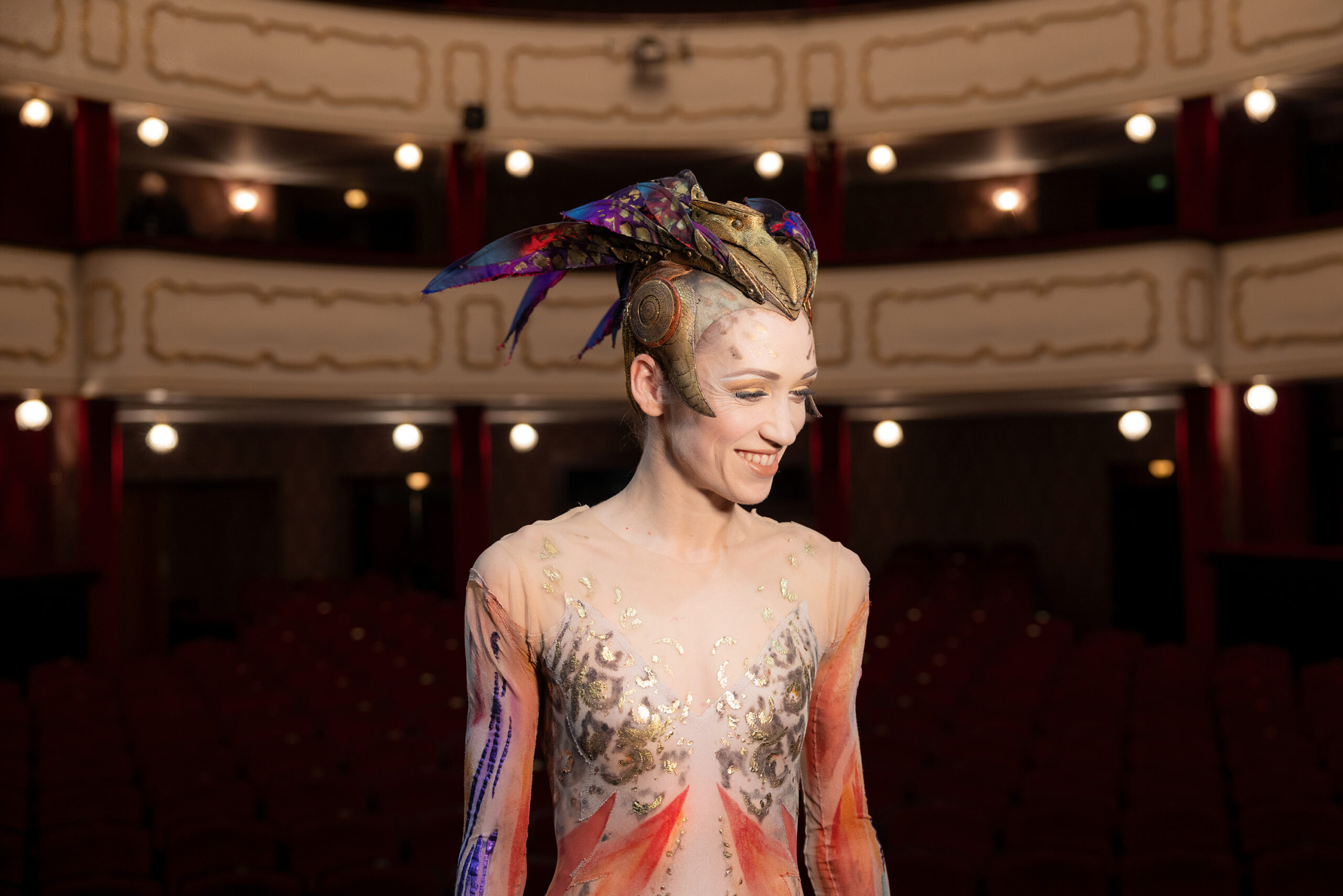
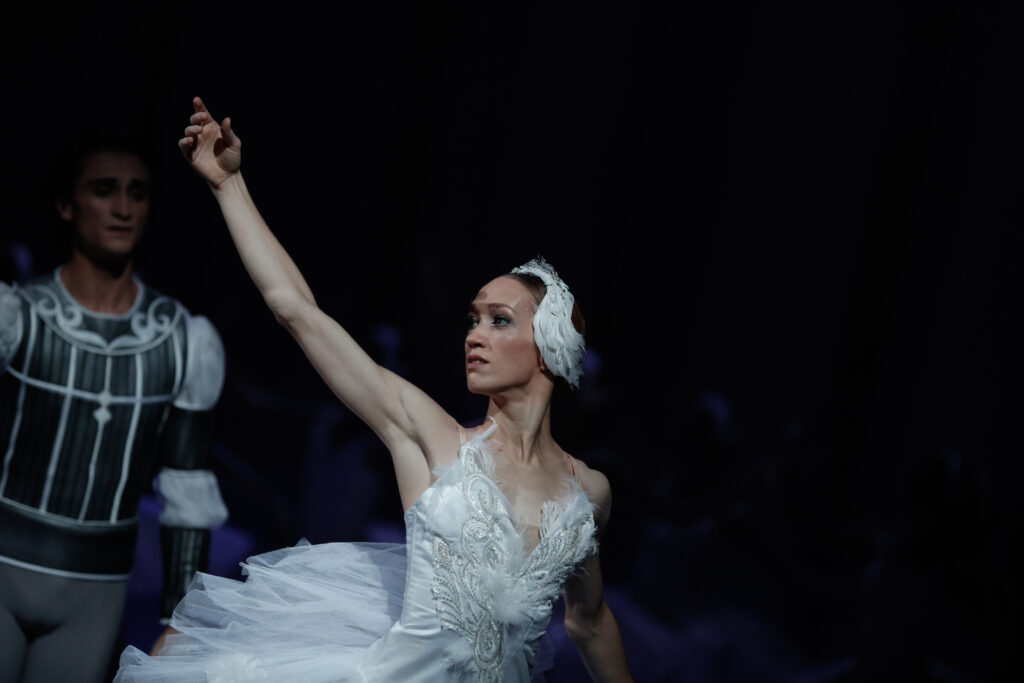
It’s challenging. There’s a lot of magnets and parts. But it’s such a beautiful costume. I remember the designer David Bamber, when he was creating it. He was really putting a lot of attention into checking that the dancers can work with it, that it’s comfortable. With all its limitations and everything else, he tried to do the most “danceable” costume. The rest of the costumes for this production are now designed by Barbora Rašková, and they complement it very well.
You travel a lot through different theatres, so how do you feel on this stage?
It is always a different experience. It definitely affects how you feel the space and how you feel yourself in space. I made this habit of whenever I come to a new stage, I go to the audience to just see what it looks like, how does the dancer look on this stage. I try to picture myself there and how I would fit in the space.
It was probably you who introduced George Williamson to the artistic director of Olomouc ballet?
It was just accidental conversation in the car; we were talking with Jan about his plans and George just came into conversation. I’m glad that it led to this collaboration!
How did your collaboration with Moravian Theatre start?
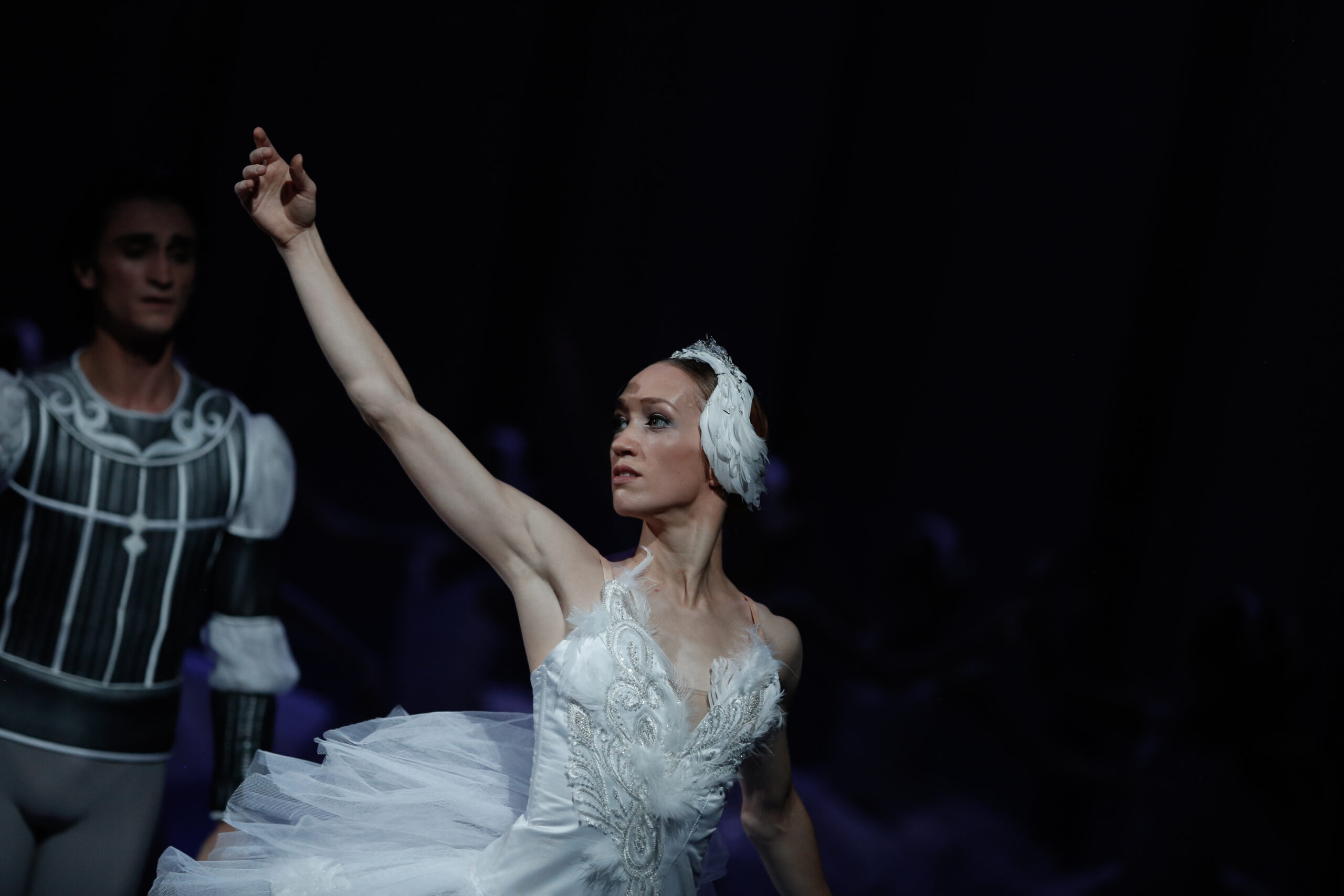
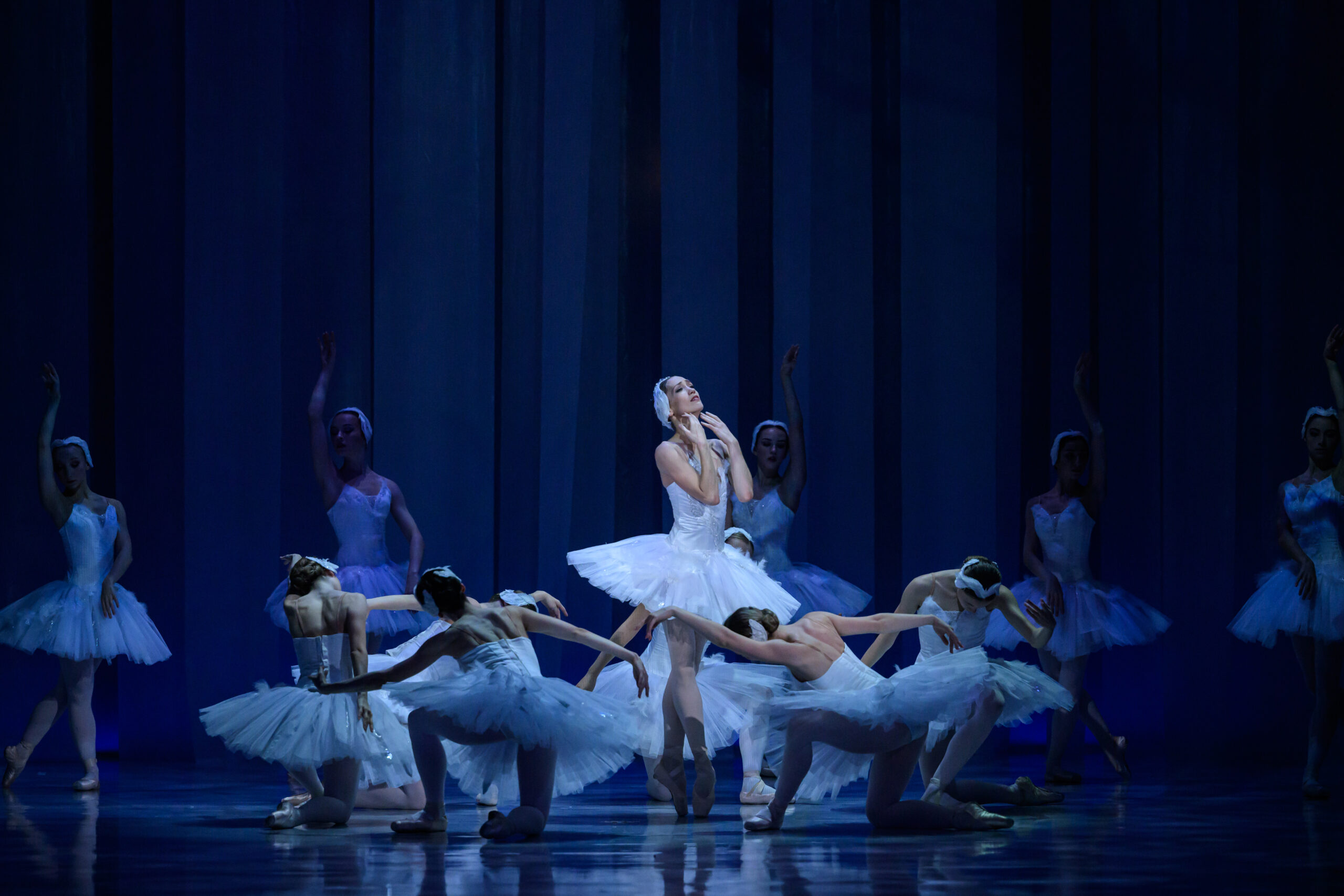
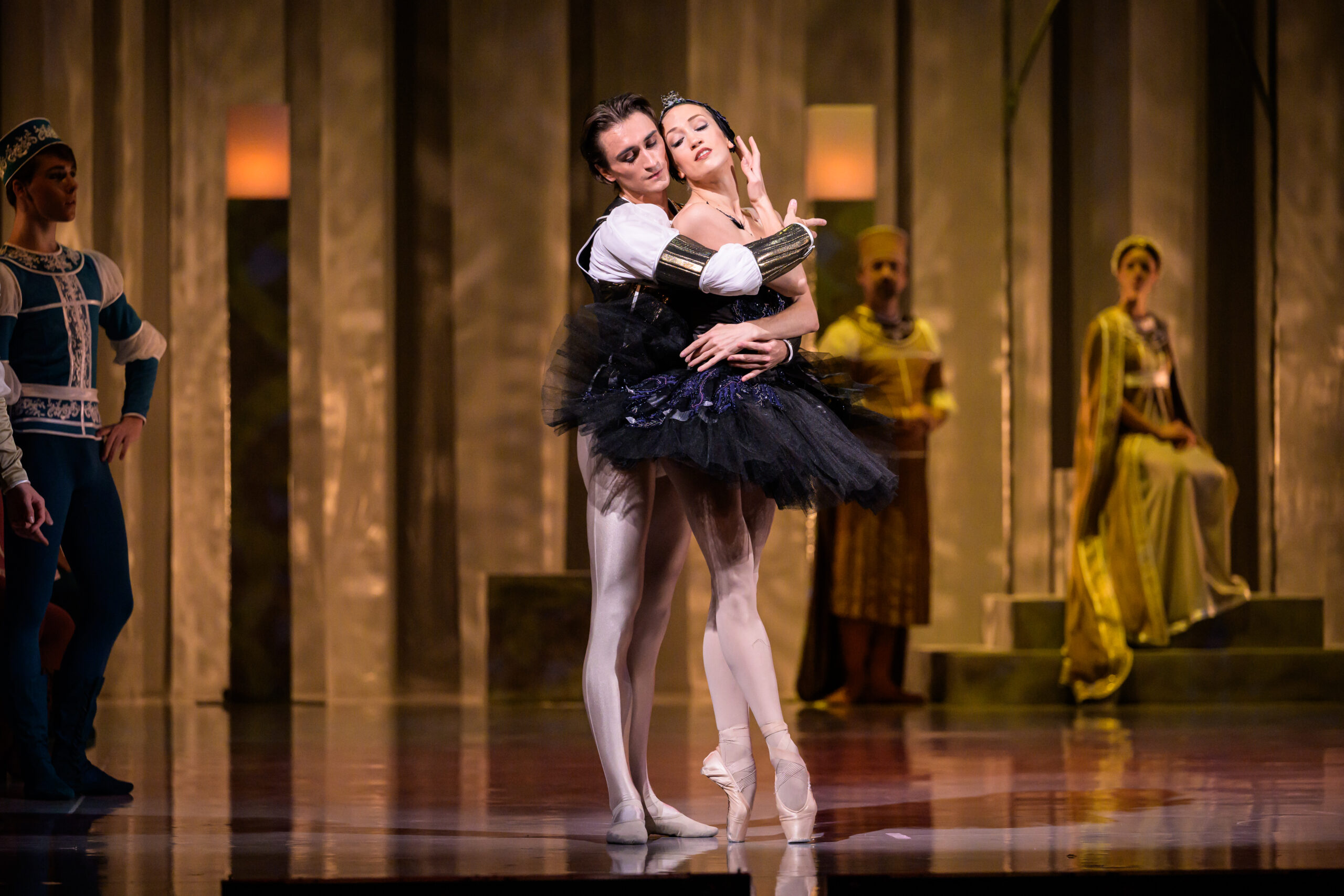
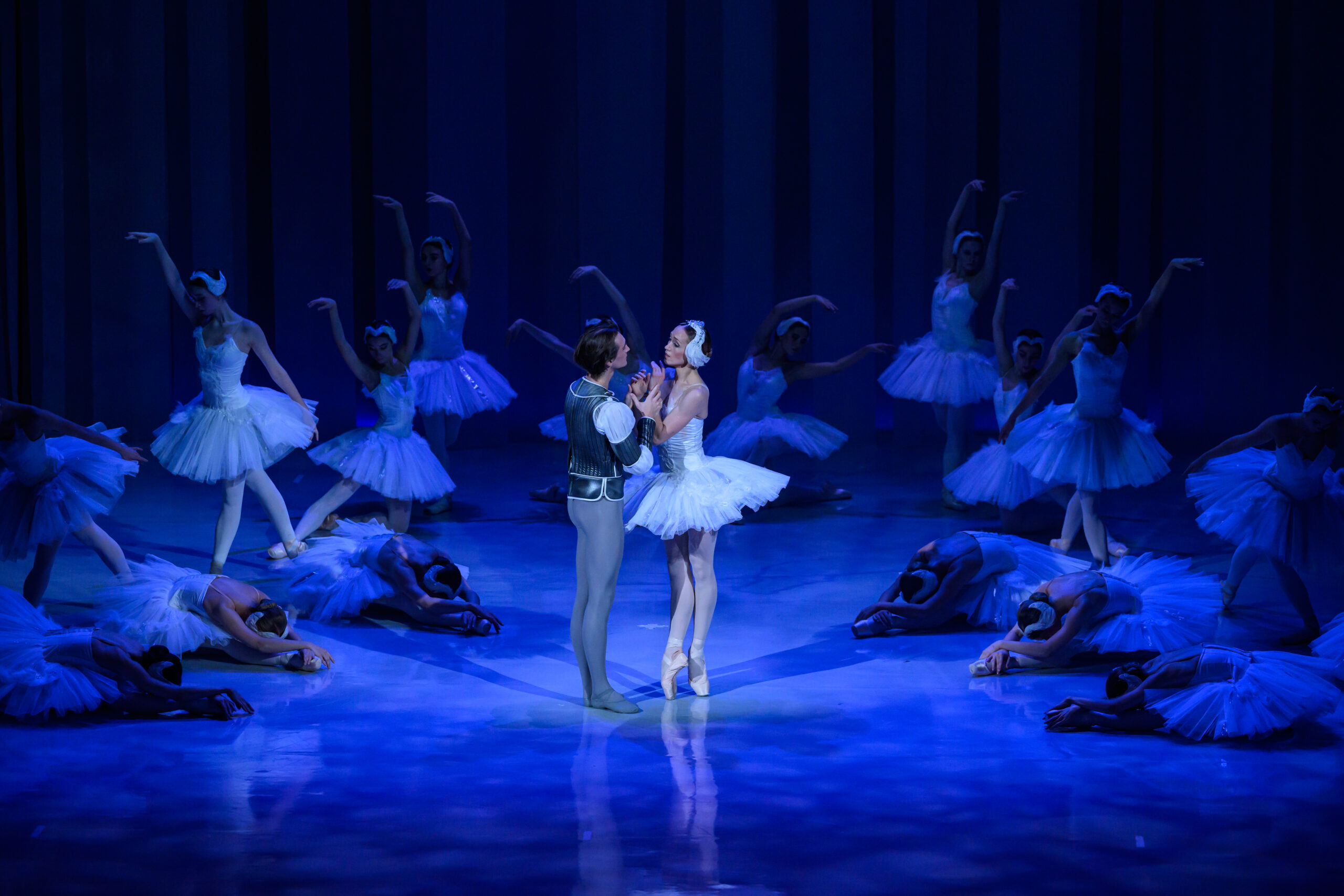
That was also through introduction of a friend who used to work in Brno. Somehow, I got introduced to Jan and last year when he found out that I was in Brno, he got in touch asking if I might be interested in doing Swan Lake with them. It started slowly and continued till today.
So, you and your husband, Zdenek Konvalina, are moving to Brno?
Yes, we are now based in Brno, but I take my life season by season. It’s a little bit too unpredictable. But yes, now the base is going to be in Brno, while I continue travelling. Actually, we both travel a lot, Zdenek is now in Taiwan having his solo exhibition there. And after the premiere in Olomouc, I’m going directly to Barcelona.
How do you relate to music, how do you like this early Stravinsky? Firebird was his first really famous composition.
There is something magical about Stravinsky music. The more you listen to it, the more you get obsessed with it. The very first time you hear it, it may surprise you, and then you hear it again, and again and you’re falling in love. The music is so powerful, so expressive. And it tells you so much about the character itself. For me one of the most important things is musicality, so that you build performance together with the music on stage.
Do you have a favourite part of the music or of the choreography?
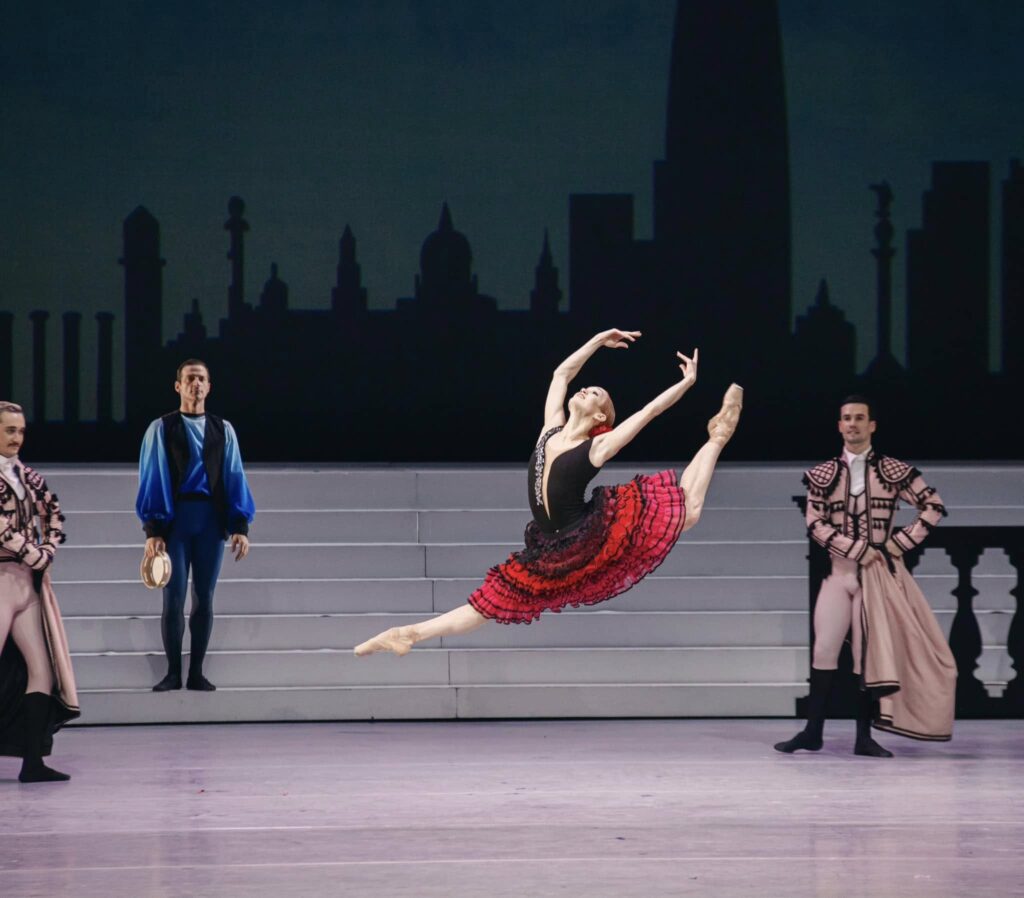
I guess the part we call “the Inferno” scene when the Firebird transforms, when they took everything from her and she transforms. I don’t even have words for it to describe; I have more of a visual and a feeling in my mind. The closest I suppose would be fire, or more like energy, pure overtaking power. Musically, the piece culminates here. But there are a lot of beautiful parts, for example the scene of regeneration at the end. The music is so diverse, there’s so many changes and moods. And The Rite of Spring is a musical masterpiece.
Do you like the city of Olomouc?
It’s beautiful! But I never have an opportunity to spend much time here unfortunately. Because I always go back to Brno to my son. Only few times I managed to spend an afternoon here… I travel through a lot of cities, but I have to say I always enjoy coming back to Czechia. It has a very beautiful cultural heritage and way of living.
And how about the collaboration with Jan Fousek? How is he as a ballet director?
I enjoy working with him. I really appreciate what he’s trying to build here, he has so much energy and so much ambition for the company. I’m always amazed with the quality of the productions here, because he works probably with very limited resources. I often see bigger companies getting lazy, since they have their resources granted to them and they can just sit on it. So, it is wonderful to see the energy of this “let’s make it happen no matter what” approach Jan has. And I love that he brings fantastic ballet masters here. That’s another reason I love coming here, just to rehearse and learn from them.
Regarding your freelancing life, do you dance more in galas or entire performances?
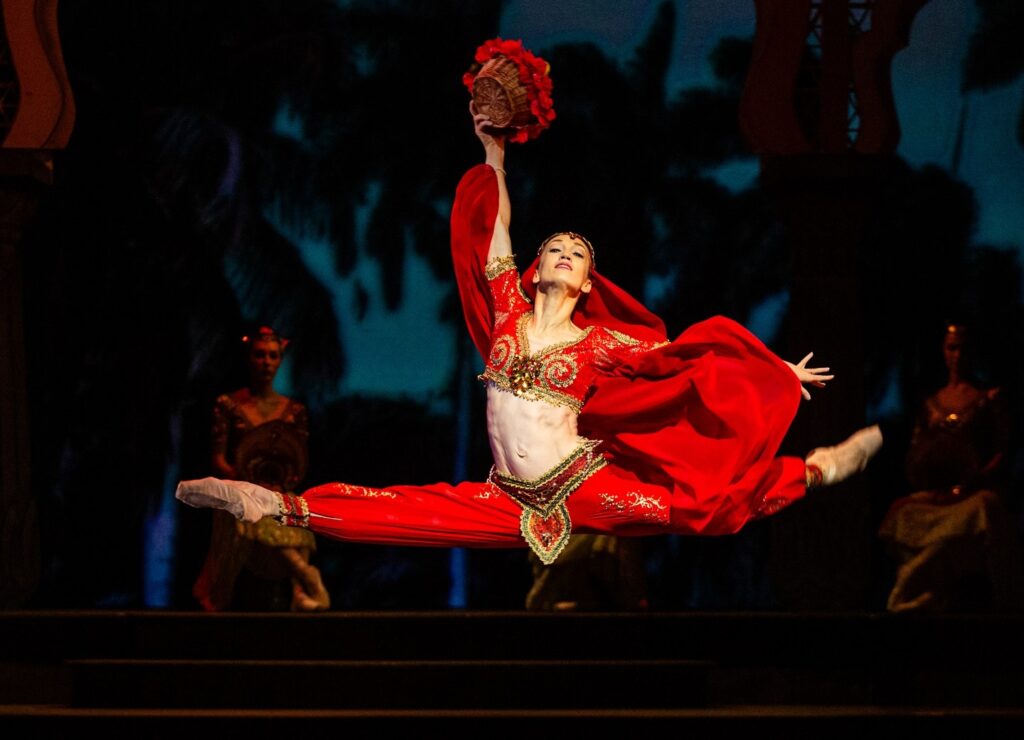
More full-length performances. Perhaps surprising considering the skepticism towards freelance position. I feel lucky that it has been working well. I have more performances than ever and I love that.
And how did it happen that you started freelancing, actually?
It was a combination of a lot of elements coming together. There was a new director starting in the company in Berlin, and by then I have already experienced such change four times. At the same time, my mom was seriously ill, the political situation in Belarus, caused by the Russian-Ukrainian war didn’t allow me to be there with her, then there were unfolding events in Israel, where I also have family, and all while I was trying to bring positivity and spend more time with my baby son at home. It was everything together. The last thing I needed was to also deal with company politics. And also, I just needed to at least enjoy dancing. That’s the one thing that keeps me sane. I needed to dance, to perform, to feel myself, to feel physically and mentally well. I wanted more stage time and at the same time more time to dedicate to my family. And the only way to do that was to take a year to freelance. So, I decided to take a leap, and it went well.
How does it work practically? Do you always get invited or do you also concentrate on networking?
It’s both. Networking is a big part of it. Whenever I visit somewhere, I go and train with the company there. You never know who you would meet or what it might lead to. There is also a lot of management involved, a lot of time spent emailing, arranging, creating opportunities, sorting travel… And I’m very grateful that they welcomed me now in Brno company. It gives me a great base to work and also to rehearse. In ballet, maintaining quality is everything. You can never stop refining.
I saw your La Bayadere. So, Mario Radačovský is giving you more performances this season?
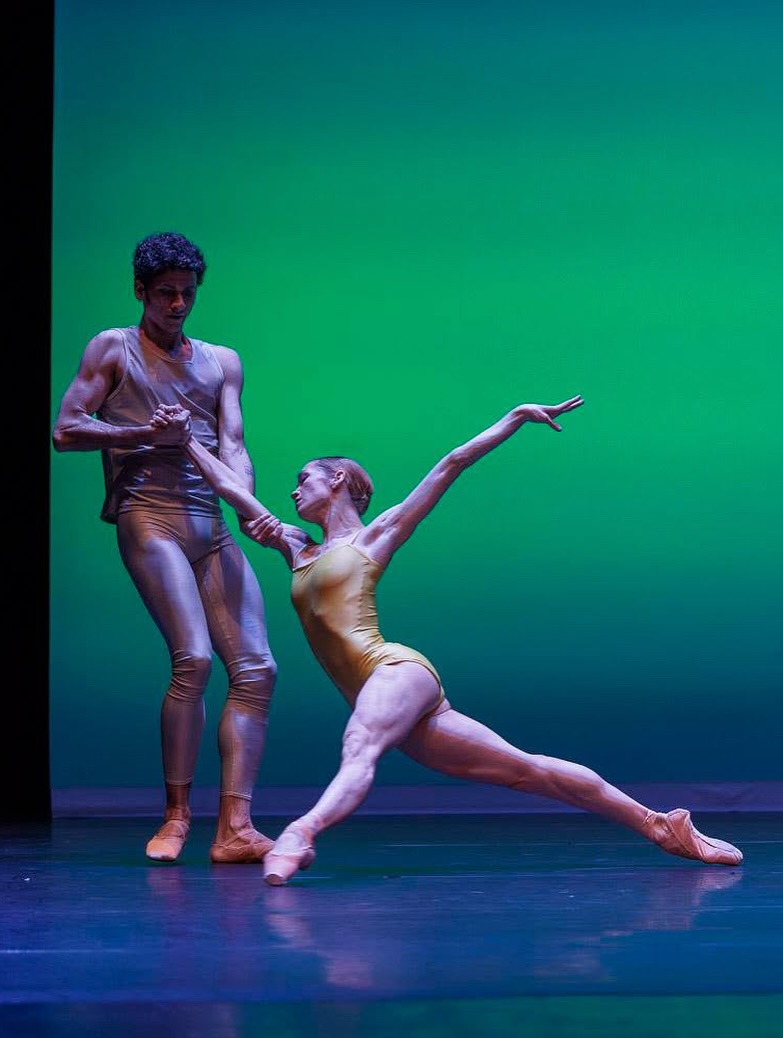
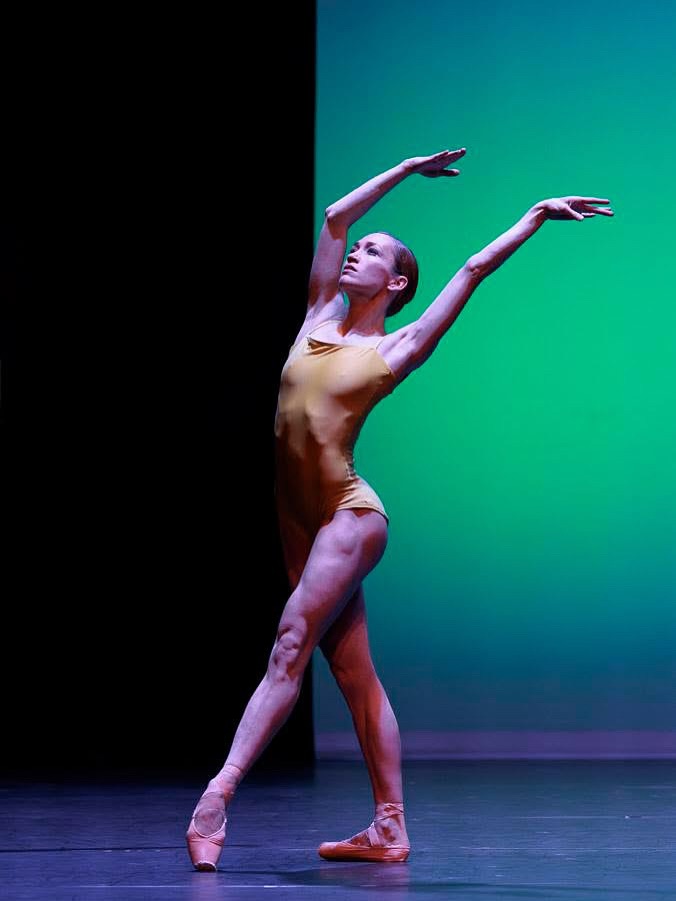
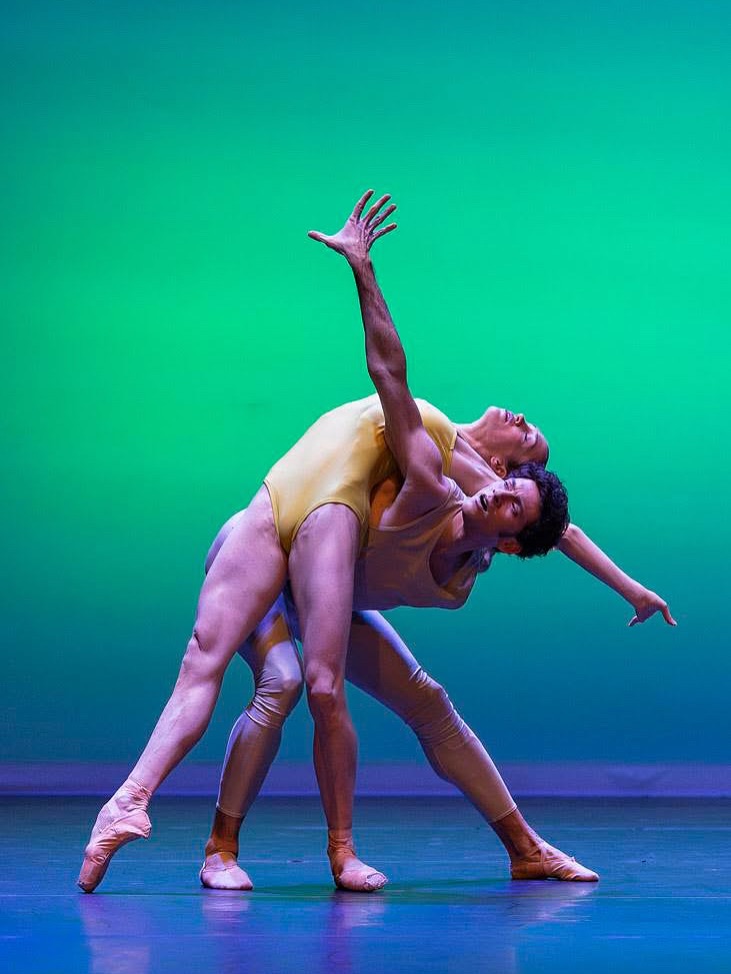
I’m actually joining NdB company as a resident principal dancer. In the second half of the season, I’ll be involved in the repertory quite a bit.
To be honest, I sometimes feel like freelancing life is more stressful than having a stable job. All the uncertainty…
I think it really depends on the kind of work you enjoy. For me, what’s truly stressful is being out of dancing shape. If I’m off stage for too long, that’s when the doubts start creeping in — can I still do it? Can I still do it well? And if I’m dancing, I don’t care how much work I have to put in, if I have to work all night to rehearse it, if I have to travel. And management part actually comes easy to me. As long as I’m dancing, everything else just falls into place. That’s why I don’t mind freelancing, as long as I’m on stage and in the studio.
How do you keep daily trainings?
Now it’s easier with Brno as my base, I train with the company. And when I travel – during Covid pandemic, companies and teachers created and put online a lot of great ballet classes to follow, giving a fantastic support tool I use. I have a list of my favorite classes that I follow depending on what I need. A positive side effect of the crisis…
But you probably can’t do things like big jumps in your kitchen…
Well, if I’m traveling it means I will be performing, so you balance it by rehearsing and performing the repertoire. But if the only thing you’re doing is just a barre every day, then of course it’s hard to keep the shape. I found a great Gyrotonic instructor in Brno that helps with fine tuning. And the experience over the years helps me to know how my body functions and how to make the most of it. By freelancing, I can actually take care of my body much better than when I was full-time in the company. (Nobody asks you there what do you need to achieve the best performance). Whereas now I’m able to decide: OK, this is the type of warm up I need first, before rehearsal, I need that many rehearsals, this much time. You can actually structure your work much more effectively. And it’s a privilege to have that.
What does a dancer today need to stay in shape? Classical trainings and classes, physiotherapy, Pilates, sports, exercising in general…?
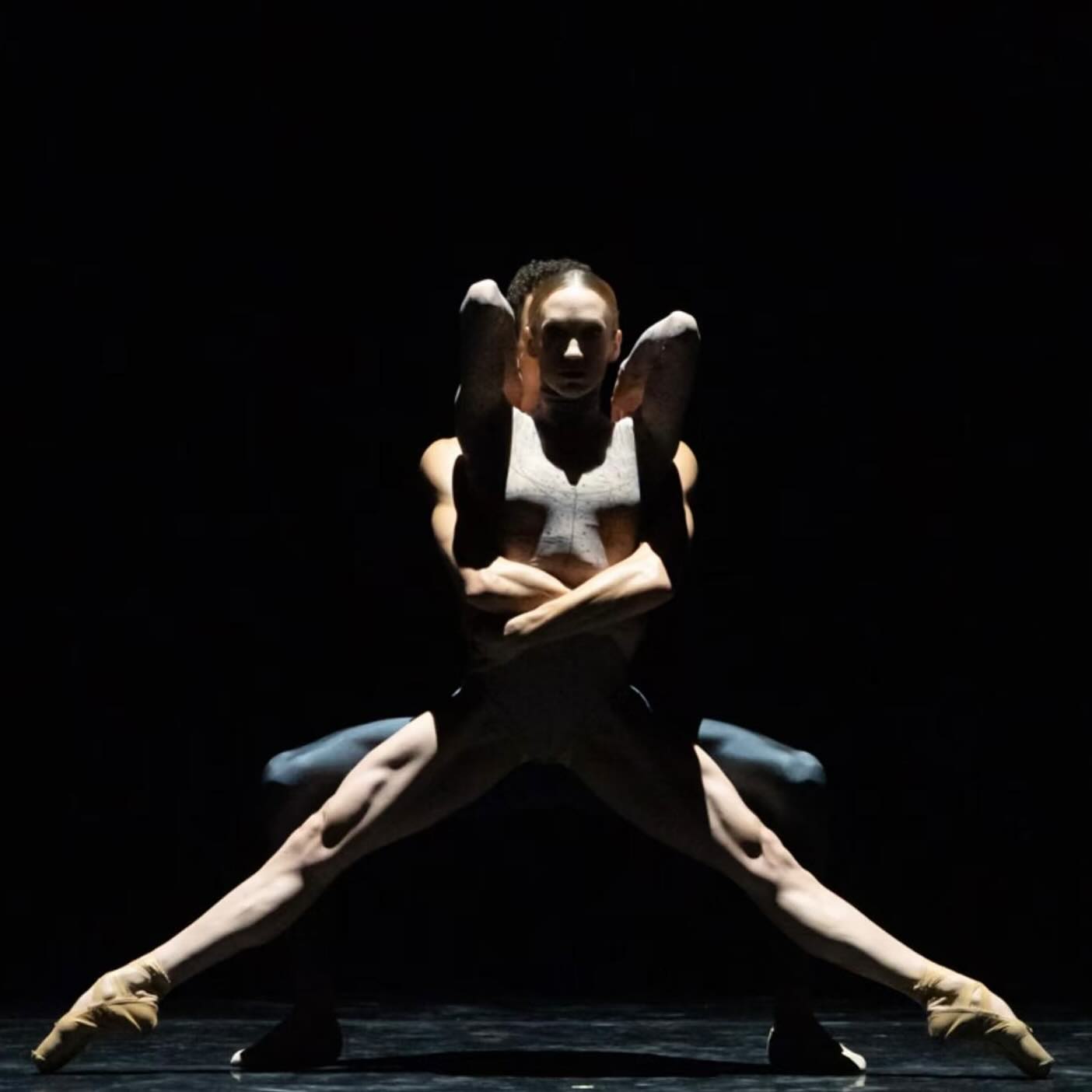
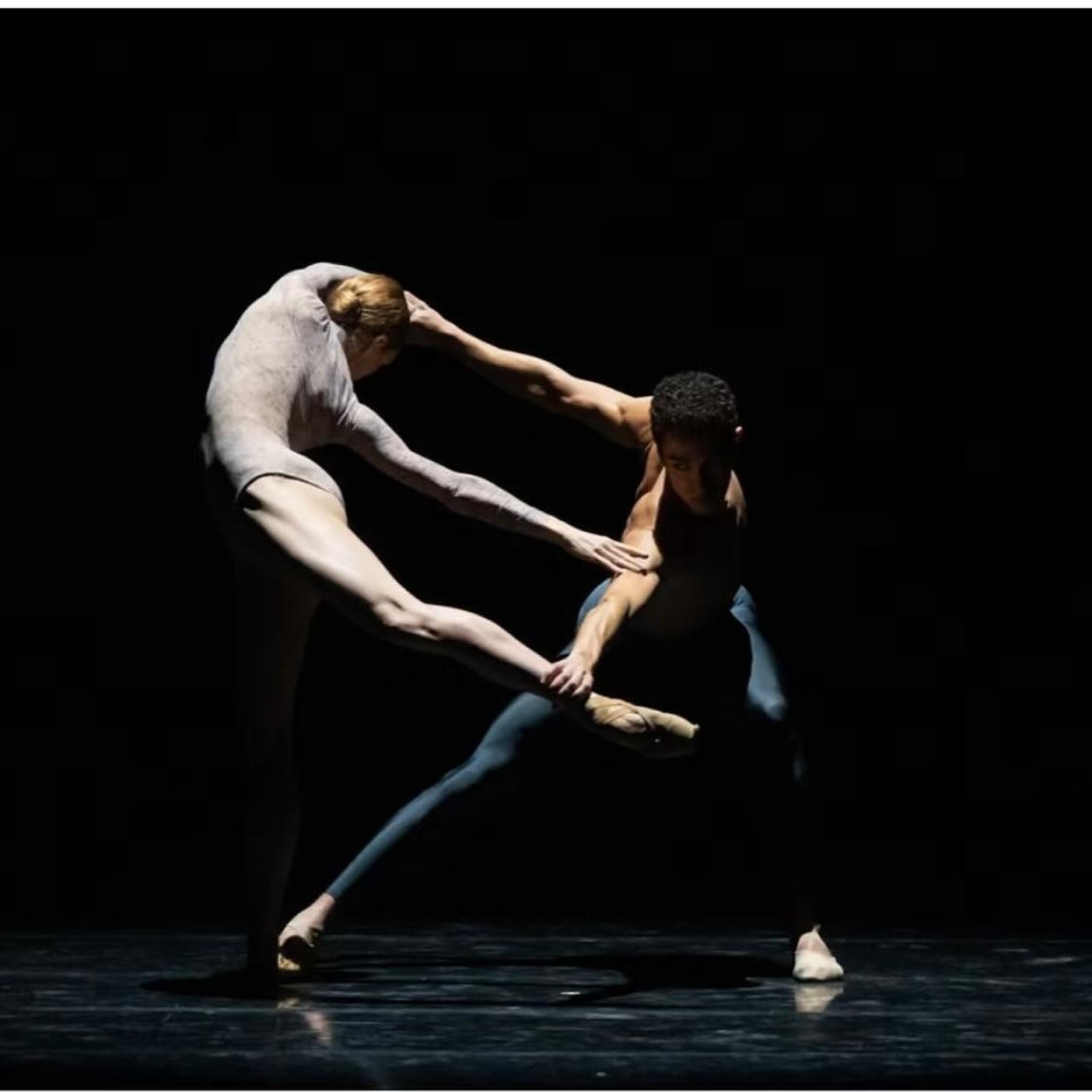
Nowadays we don’t dance just classics, we need to be able to do classical and contemporary and to constantly switch between the two. It’s a lot for the body. I think that’s why there are a lot more injuries now than decades ago. And that is where additional exercise is extremely helpful. I have a mixture of Pilates routine I do daily, and then Gyrotonic once a week.
Yeah, when I interviewed a former Paris Opera ballerina, she had the same remark about injuries!
What we demand from our body is this sudden change. One minute you need to have straight back, precise structured movements, be light on your feet and then suddenly you need to be soft, heavy, with relaxed back. It is completely different work for the muscles. Extra trainings help navigate it and prepare muscles better. We have all these tools now and I think it’s worth using them. Saying that there is a lot that you can learn from contemporary dance that you can bring into classical ballet: the flow of how the movements connect, use of centre to move, to create transitions between elements that are more eloquent, more interesting.
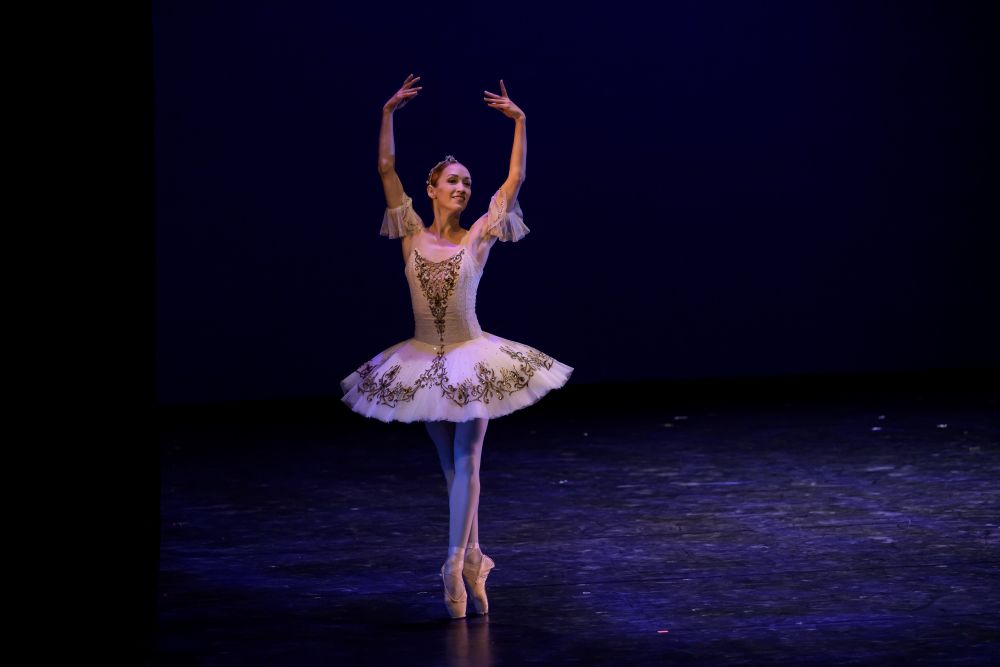
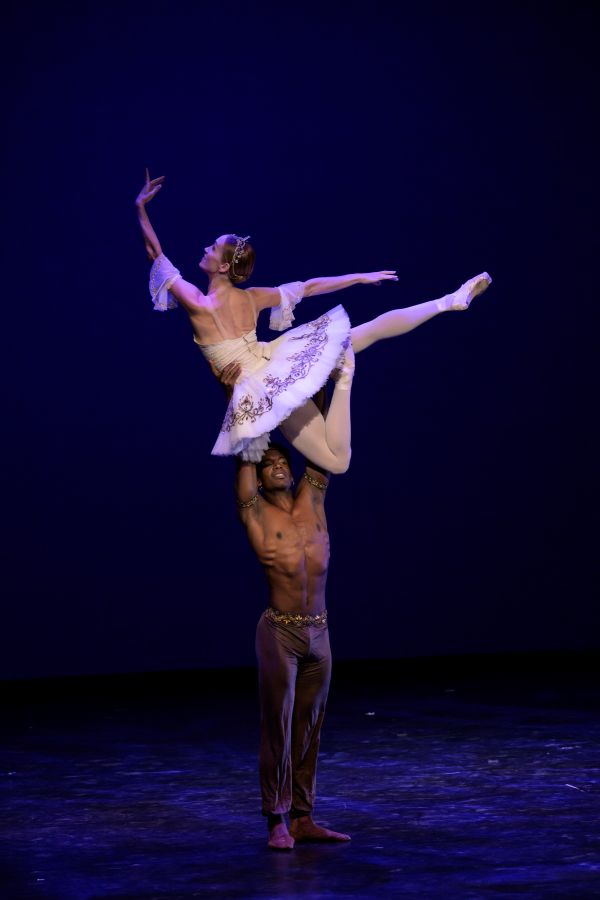
Contemporary dance also has certain styles and techniques. Do you have some favourite techniques or creators or styles? I know it’s a huge and broad field from modern dance up to non-dance…
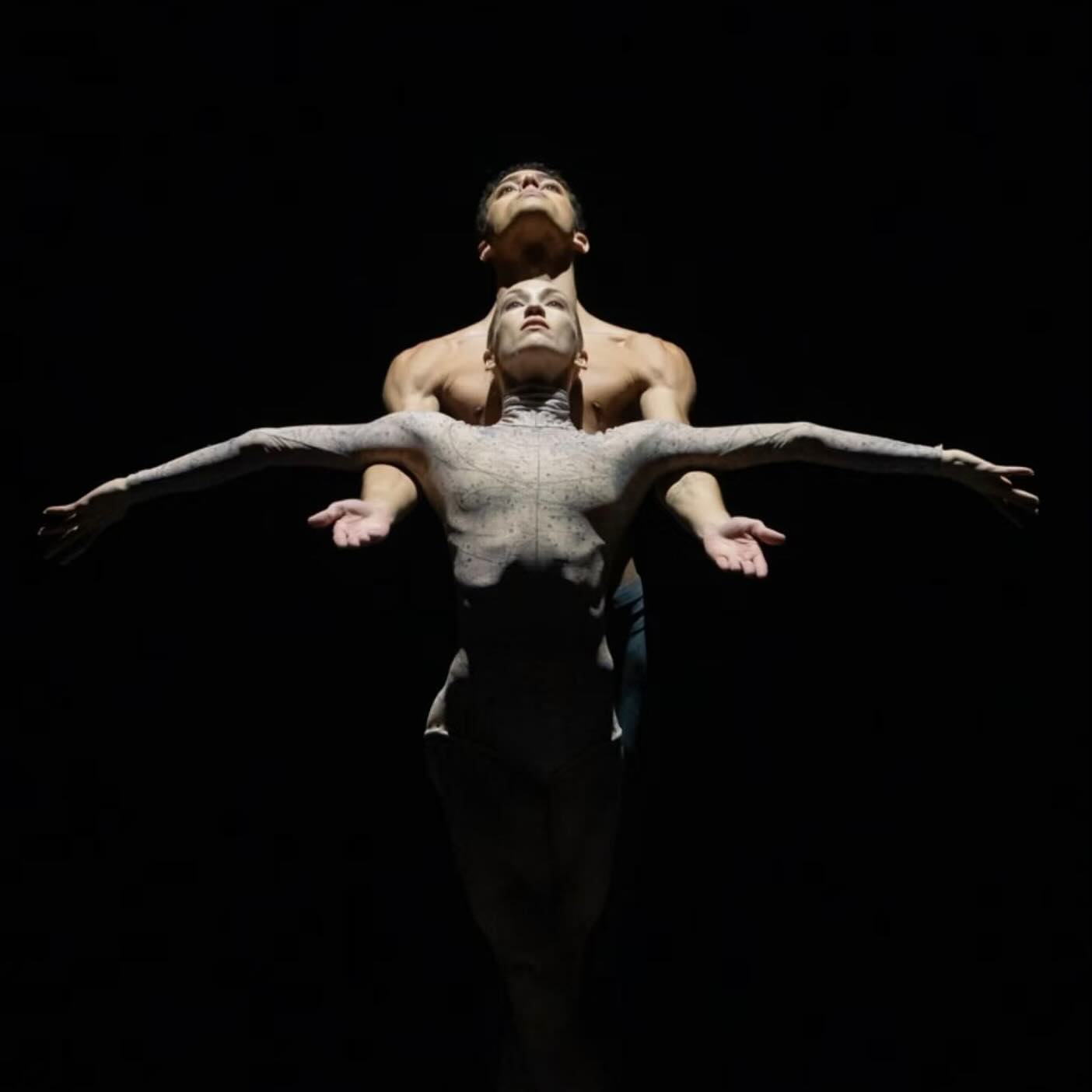
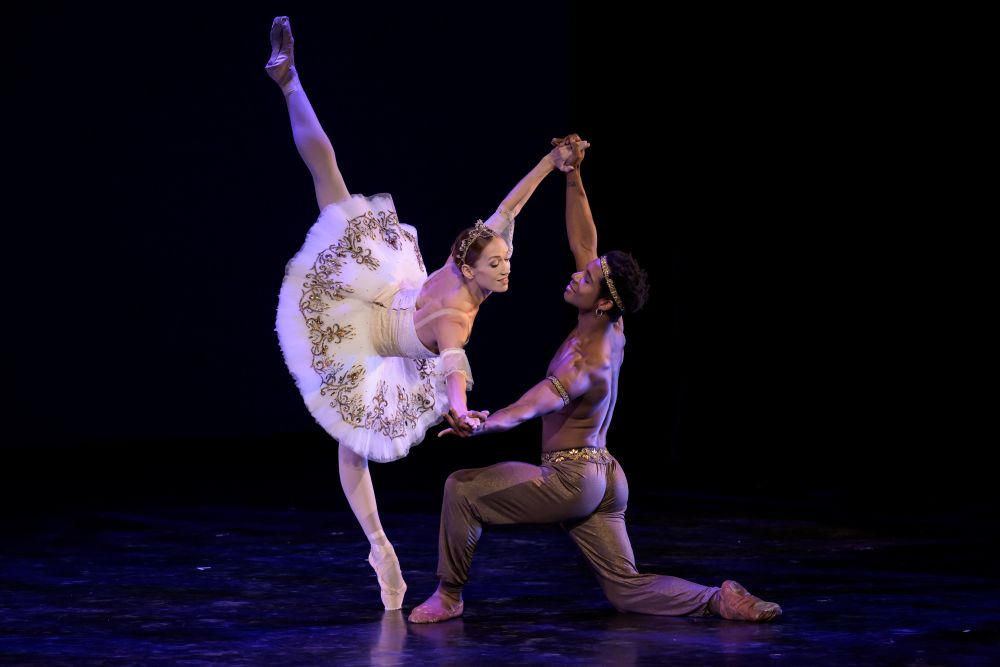
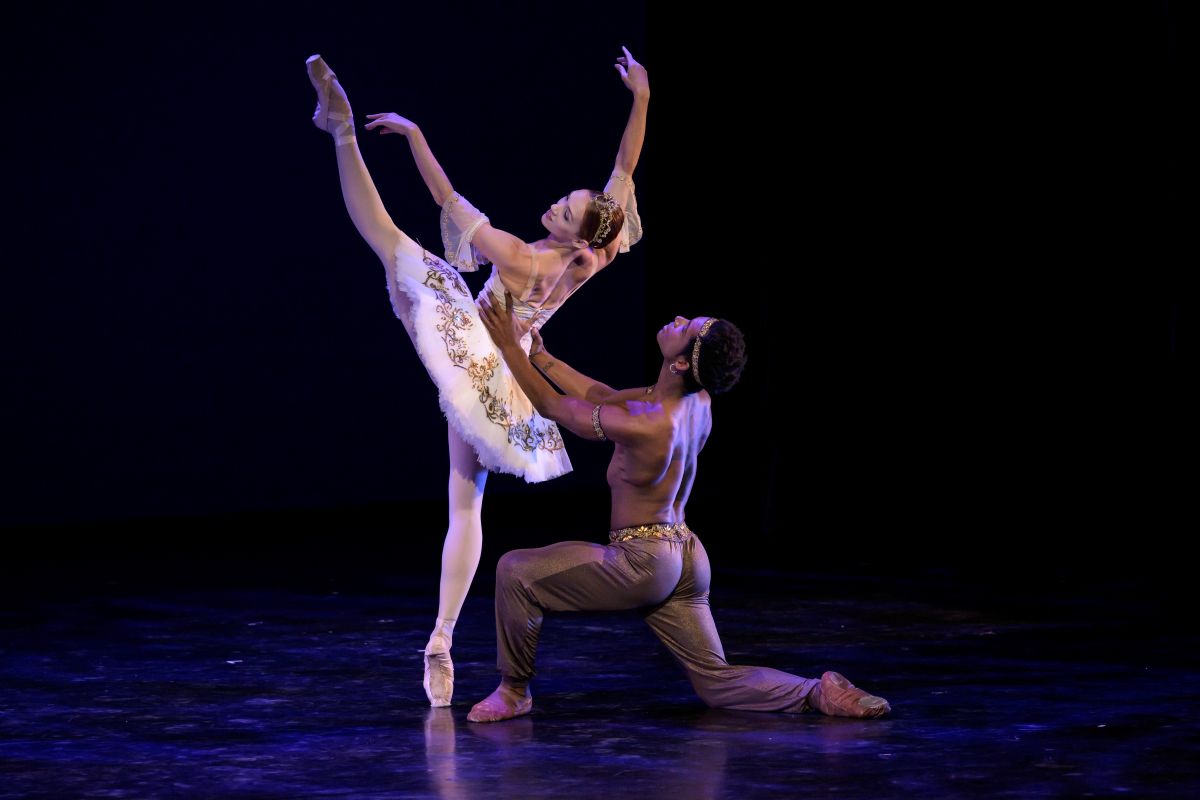
It’s always very interesting to work on new styles. I genuinely love dance in all its forms. If I have to pick favourite… I would probably then say NDT style, it is based on great technique, and so expressive, powerful. You get to see full range of movements and the power of the body, just moving in a different way than in a classical ballet.
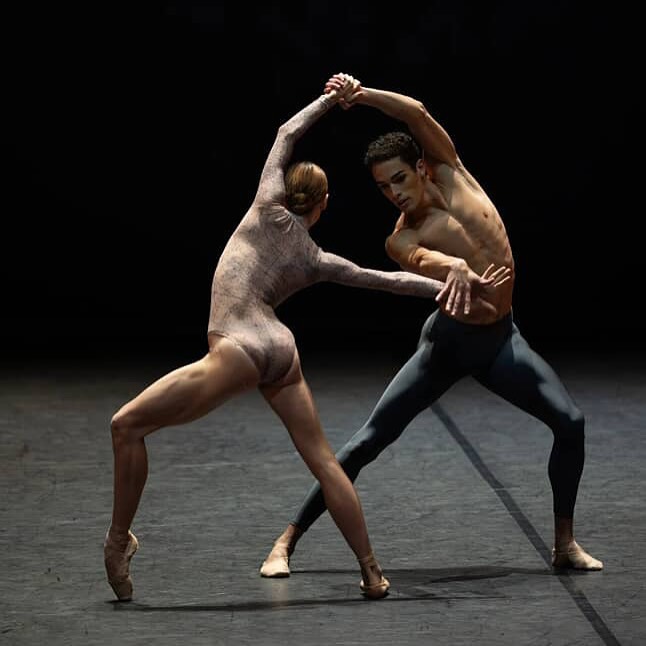
It is also fun when the choreographers are trying to combine point work with contemporary way of moving. Which is incredibly challenging. You’re trying to do something that’s grounded and requires bigger movements while your feet are constrained. Physiologically it almost doesn’t make sense, but I’ve always been curious to explore what you can do with it. And that’s where I enjoy working with George, always being pushed to find out what else your body can do, while I try to make sense of it technically and physiologically.
George is elaborating on the classical basis definitely, he’s trying to discover different shapes and qualities, but is still based in the academic language. This sets certain boundaries.
When you’re working with point shoes, you can’t not respect the basics of ballet, you can’t not use turn out or not point your feet – you will just trip over otherwise. There are things that you have to apply anatomically.
Do you like floor work and this type of working with gravity and flow…?
I love it! I have to admit I enjoy all dance techniques, as long as it expresses somethings. To me, dance is about expression. But each style requires work and time to mould into it. I suppose also embracing the fact that there is a certain way that I move. It’s great to work with choreographers that build on the individuality of the dancer. Everyone has their own way of moving, and if this is embraced you can really get then the most out of it, you get the “juiciest” result.
One last question: I see that you sometimes put up some videos of you improvising on your profiles. Do you also feel like fixing it and creating your own choreographies?
I have actually a lot more videos like this, it’s my way of letting go, I just put a piece of music I love and let the movement take over. And it actually led to very interesting collaborations and working with some fantastic musicians, where I interpreted their performance with improvising live performance on stage. I’ve contemplated at some point turning the footage I have into choreography. But I couldn’t learn it! The purity of intention during improvisation, responsiveness to the current moment – is unrepeatable. So, I decided to keep it in this form. And developing more collaborations with musicians, chamber orchestra in Berlin Philharmonic and more.
Napsat komentář